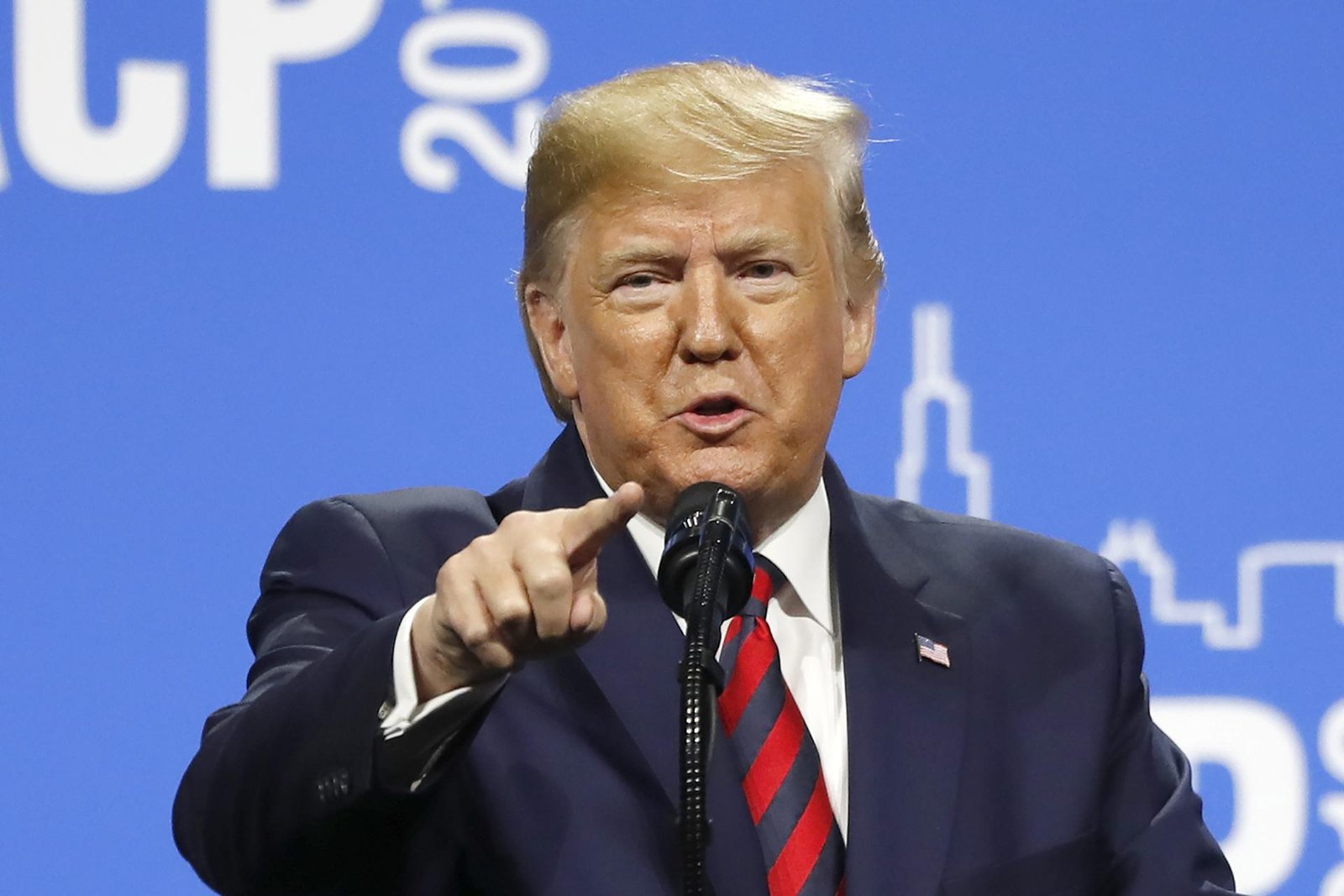
Donald Trump at WEF: The Transformation of the US Economy from ‘Dead’ to ‘Hottest’
In a characteristic display of bold rhetoric and economic populism, President Donald Trump took the stage at the World Economic Forum (WEF) in Davos to present a vision of the United States as the undisputed economic engine of the world. Addressing an audience of global billionaires, corporate titans, and political leaders, Trump framed his administration’s impact as the “most dramatic” economic turnaround in history. His narrative was simple yet powerful: he inherited a “dead” economy and, through a “revolution of common sense,” transformed it into the “hottest” economy on the planet.
For a UK audience observing from across the Atlantic, Trump’s speech serves as more than just a political address; it is a manifesto of “America First” economics that has profound implications for global trade, transatlantic relations, and the future of international cooperation. While his tone remains polarizing, the underlying message of deregulation and tax-led growth continues to spark debate among economists and policymakers in London and beyond.
The Resurrection Narrative: From Stagnation to Success
The core of Trump’s pitch at Davos was built on a stark contrast between the past and the present. He argued that before his tenure, the US was on a path of terminal decline, burdened by excessive regulation, high taxes, and unfavorable trade deals. By labeling the previous era a “dead” economy, Trump positioned himself as the architect of a national revival.
He highlighted several key indicators to support this claim:
- Unemployment Rates: Trump boasted of record-low unemployment across various demographics, including African Americans, Hispanic Americans, and women—reaching levels not seen in decades.
- Manufacturing Revival: Contrasting the loss of factories under previous administrations, he claimed a resurgence in American manufacturing, with thousands of new plants opening.
- Wage Growth: He emphasized that for the first time in recent history, wages for blue-collar workers and those at the bottom of the income ladder were rising faster than those for management.
The Policy Pillars: Tax Reform and Massive Deregulation
To explain this “miracle,” Trump pointed to two primary policy levers: the largest package of tax cuts in US history and an unprecedented campaign to slash government regulations. He argued that these moves unleashed the “animal spirits” of the American entrepreneur, making the US the most attractive place in the world to invest, build, and hire.
The Tax Cuts and Jobs Act was presented not just as a domestic win, but as a global competitive advantage. By lowering the corporate tax rate from one of the highest in the developed world to a highly competitive level, the administration sought to bring trillions of dollars in offshore capital back to American soil.
Furthermore, his “two-for-one” regulatory policy—where two old regulations must be removed for every new one added—was described as a liberating force for businesses. For the UK audience, this focus on “slashing red tape” resonates with the post-Brexit aspirations of some British politicians who seek to create a more agile, less regulated “Singapore-on-Thames” model.
Trade and Sovereignty: The America First Doctrine
A significant portion of the address was dedicated to trade, where Trump reiterated his stance that the era of “blind globalization” is over. He argued that past trade policies had hollowed out American towns and betrayed the American worker. Instead, he championed bilateral deals that prioritize US interests, such as the USMCA (United States-Mexico-Canada Agreement) and the Phase One deal with China.
This “America First” doctrine often clashes with the multilateral spirit of the WEF. However, Trump’s message to the Davos elite was that a strong America is good for the world. He asserted that when the US economy “shines,” it lifts the global economy along with it, positioning the US not just as a participant in global markets, but as their primary driver.
Challenges and Criticisms: The View from Europe
While Trump’s economic numbers are often formidable, his approach has not been without intense criticism, particularly from European allies. In the UK and the EU, there are significant concerns regarding the sustainability of this growth and the methods used to achieve it.
- Tariff Wars: The use of tariffs as a negotiating tool—most recently involving threats over Greenland and European industrial goods—has created a climate of uncertainty for British and European exporters.
- Institutional Tension: His public criticisms of the Federal Reserve and Chairman Jerome Powell have raised eyebrows among those who value the independence of central banks as a cornerstone of economic stability.
- Climate Change: In a forum where environmental, social, and governance (ESG) goals are often paramount, Trump’s dismissal of “prophets of doom” regarding climate change remains a point of deep friction with European leaders who are committed to the Net Zero transition.
The ‘Greenland Kerfuffle’ and Transatlantic Relations
Adding a layer of “most dramatic” flair to the 2026 summit were Trump’s comments regarding the acquisition of Greenland. While he ruled out the use of force, his call for “immediate negotiations” and his dismissal of Denmark’s autonomy on the matter have strained relations within NATO. For the UK, which maintains a “Special Relationship” with the US while remaining closely tied to European security, these diplomatic tremors require a delicate balancing act.
Trump’s assertion that “Nato has to step up” and his linkage of security support to economic cooperation suggests that the second term of his administration will continue to be transactional. This approach forces allies to reconsider their own economic and military dependencies.
Conclusion: A Polarizing Engine of Growth
Donald Trump’s appearance at Davos 2026 reinforced his image as a disruptor who views the world through the lens of a balance sheet. By pitching the US as the “hottest” economy, he invites the world to invest in the American dream while simultaneously warning that the old rules of globalism no longer apply.
For the UK, the “dramatic” economic engine of the US presents both an opportunity and a challenge. As Britain navigates its own path in the global economy, the American model of deregulation and aggressive tax competition serves as both a potential roadmap and a cautionary tale. Whether one views Trump as a visionary restorer of national prosperity or a destabiliser of the global order, there is no denying that under his watch, the US economy has demanded the world’s undivided attention.
Would you like me to analyze the specific impact of these proposed US tariffs on the UK’s manufacturing sector?