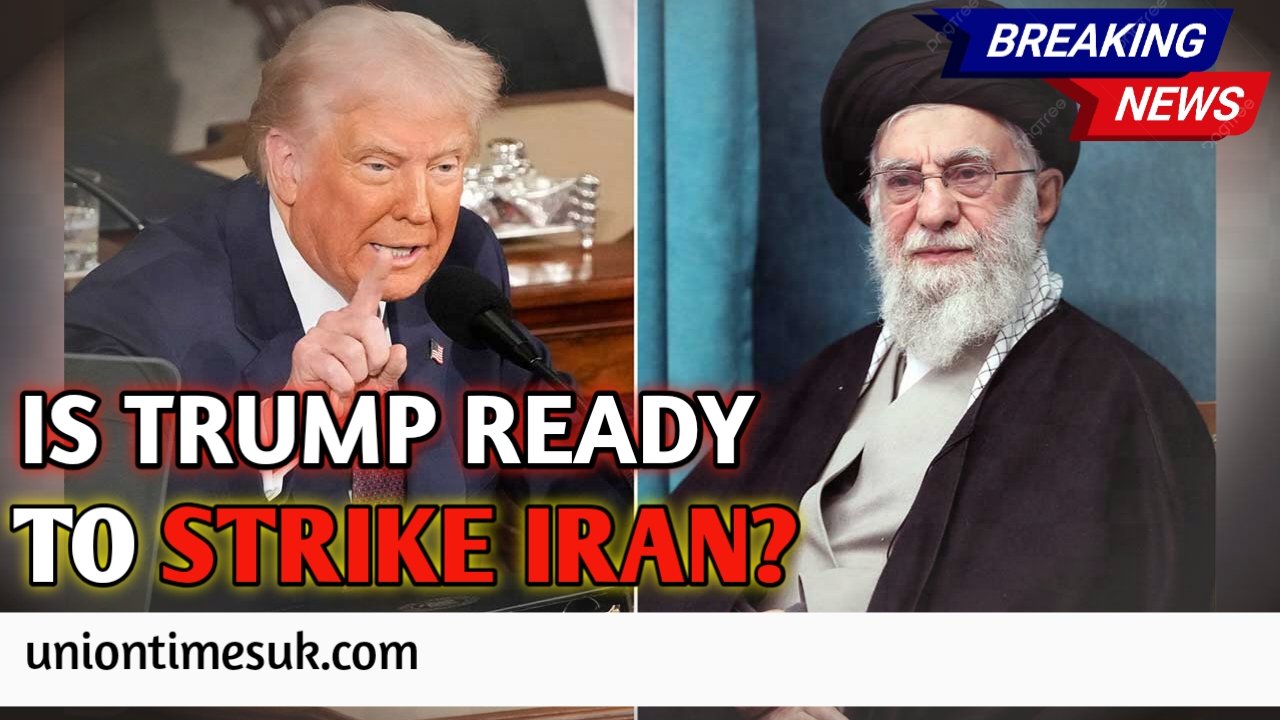
The Geopolitical Chessboard: Assessing the Possibility of US Intervention in Iran
The relationship between the United States and the Islamic Republic of Iran has been defined by decades of “frozen” conflict, economic warfare, and shadow confrontations. As we navigate the complexities of 2026, the question of a direct US military intervention remains one of the most significant “black swan” risks in global geopolitics.
Understanding this possibility requires a deep dive into the historical friction, current triggers, and the massive strategic hurdles that make such an intervention a high-stakes gamble.
1. The Historical Context: A Legacy of Mistrust
To understand the present, we must look at the scars of the past. The US-Iran relationship hasn’t been “normal” since the 1979 Islamic Revolution.
- The 1953 Coup: Iranians remember the CIA-backed ousting of Prime Minister Mossadegh.
- The Hostage Crisis: Americans remember the 444-day embassy siege.
- The “Axis of Evil”: Post-9/11 rhetoric further alienated the two nations.
- The JCPOA (Nuclear Deal): The 2015 agreement offered a brief window of diplomacy, which slammed shut when the US withdrew in 2018, leading to the “Maximum Pressure” campaign.
2. Potential Triggers for Intervention
While neither side officially wants a full-scale war, several “red lines” could trigger a kinetic response from Washington.
A. The Nuclear Threshold
The most consistent “red line” for the US (and Israel) is Iran’s acquisition of a nuclear weapon. If intelligence suggests that Iran has moved from “breakout capacity” to actual “weaponization”—specifically the integration of a warhead onto a delivery vehicle—the pressure for a preemptive strike would become immense.
B. Closure of the Strait of Hormuz
Approximately 20% of the world’s oil passes through this narrow waterway. If Iran were to attempt to block the Strait in response to sanctions or regional tension, the US Navy would almost certainly intervene to maintain the “freedom of navigation,” as a global energy price spike would be catastrophic for the US economy.
C. Regional Proxy Escalation
Iran’s “Axis of Resistance”—including Hezbollah in Lebanon, militias in Iraq and Syria, and the Houthis in Yemen—provides Tehran with “plausible deniability.” However, a mass-casualty event involving US service members or a direct, high-impact attack on a key US ally (like Israel or Saudi Arabia) could force Washington’s hand.
3. The Modern Constraints: Why Intervention is Unlikely
Despite the heated rhetoric, several factors act as powerful deterrents against a US-led invasion or sustained bombing campaign.