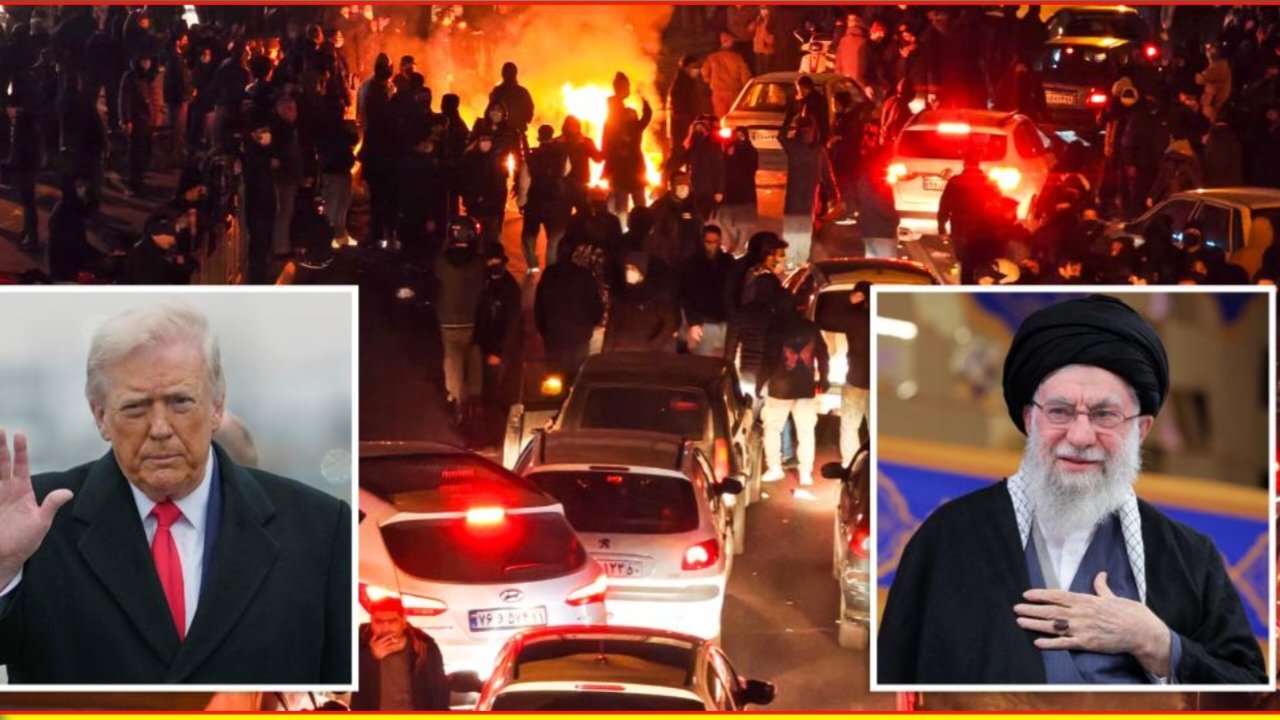
The Shutdown: Skies Go Silent Over Iran
Early Thursday morning, Iranian aviation authorities issued a sudden Notice to Airmen (NOTAM), effectively closing the Tehran Flight Information Region (FIR) to almost all commercial traffic. The closure, which lasted for several hours before a partial reopening, was implemented without a formal public explanation, though experts believe it was a defensive measure against potential U.S. military strikes.
Key Impacts on Aviation:
- Air India & IndiGo Disruption: Major Indian carriers were forced to reroute or cancel flights. Air India cancelled its Delhi-New York (JFK), Delhi-Newark, and Mumbai-JFK services. One Air India A350 flight to New York was forced to return to Delhi mid-flight.
- Logistical Nightmare: Rerouting around Iran adds approximately 60 to 90 minutes of flight time for Europe and U.S.-bound journeys from Asia, leading to increased fuel costs and potential ticket price hikes.
- Global Carriers: Lufthansa and other European giants have announced they will circumnavigate both Iranian and Iraqi airspace until further notice, citing the risk of “misidentification of civil traffic” by air defense systems.
Trump’s Demands: “Help is on its Way”
The airspace closure follows a week of escalating rhetoric from the White House. President Donald Trump has been vocal about the ongoing protests in Iran, which were sparked by economic hardship and have evolved into a nationwide movement against the regime.
The “Red Line”
Trump has issued a stern warning to Tehran: stop the killing of protesters or face military consequences. * The Ultimatum: The U.S. administration has demanded an immediate halt to executions and the release of political prisoners.
-
- Military Posturing: Reports indicate the Pentagon has been moving personnel and equipment away from key facilities in the region, such as the Al Udeid Air Base in Qatar, as a “precautionary measure”—a move historically seen as a precursor to kinetic action.
- Economic Pressure: Trump recently announced a 25% tariff on countries doing business with Iran, aiming to further isolate the Islamic Republic.
”To the brave people of Iran: HELP IS ON ITS WAY! The world is watching, and the United States will not stand by while innocent lives are taken.” — Recent social media post by President Trump.
The Crisis Within: Protests and Crackdown
The internal situation in Iran has reached a boiling point. Human rights organizations estimate that over 2,500 people have been killed in the latest wave of unrest, making it the deadliest period since the 1979 Revolution.
The Regime’s Stance
Tehran has dismissed the protests as an “Israeli and American plot” designed to destabilize the country.
-
-
- Foreign Minister’s Warning: Abbas Araghchi warned Trump not to “repeat the same mistake” of previous military escalations, claiming that security forces are fighting “terrorist cells” rather than peaceful demonstrators.
- Strategic Silence: Iran has implemented near-total internet blackouts to prevent videos of the crackdown from reaching the international community.
-
What Happens Next?
As of Thursday evening, the situation remains fluid. While Iran has begun to reopen some air corridors, the threat of escalation remains “a coin flip,” according to White House insiders.
Possible Scenarios:
-
-
- Surgical Strikes: The U.S. might target the leadership of the security forces responsible for the crackdown rather than nuclear facilities.
- Regime Transition: There is increasing talk in Washington about supporting Reza Pahlavi, the exiled son of the last Shah, as a potential figurehead for a democratic transition.
- Diplomatic De-escalation: Some reports suggest Iran has “halted” planned executions in response to Trump’s threats, potentially opening a narrow window for back-channel negotiations.
-
Conclusion: The world remains on edge. The closure of Iranian skies is more than just a travel disruption; it is a visible signal of a region teetering on the brink of a major conflict.