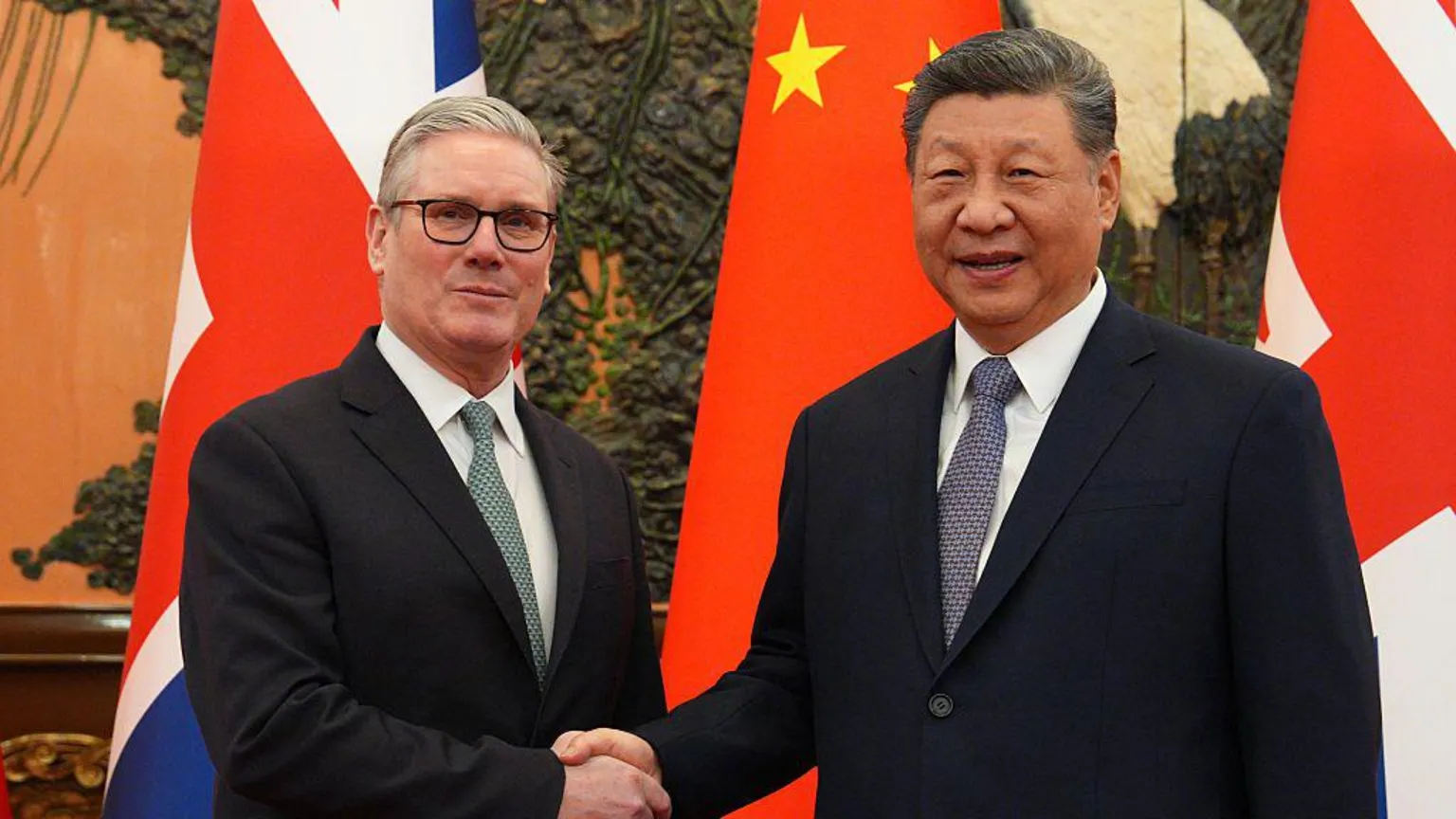
UK-China Reset: Bilateral Triumphs in Healthcare, Visas, and Whisky
The diplomatic landscape of 2026 has witnessed a significant shift as British Prime Minister Sir Keir Starmer concluded his high-stakes visit to Beijing and Shanghai. Marking the first visit by a UK Prime Minister in eight years, the summit between Starmer and President Xi Jinping signaled an end to what has been described as an “ice age” in bilateral relations.
For a UK government hungry for economic growth and a Chinese administration seeking to stabilize global trade amid shifting tides in Washington, the visit was more than a mere ceremonial handshake. It yielded tangible results across three critical sectors: Healthcare, Visas, and Whisky.
1. The Visa Breakthrough: A 30-Day Game Changer
The most immediate and “attention-grabbing” outcome of the visit was the landmark agreement on travel. China has officially granted British citizens 30-day visa-free travel for tourism and business purposes.
- Ease of Access: Previously, British travelers faced a bureaucratic marathon—submitting original passports, paying roughly £150 in fees, and waiting weeks for processing.
- Business Impact: For the 50-strong delegation of business leaders accompanying Starmer, this move streamlines “just-in-time” travel for negotiations, site visits, and conferences.
- Strategic Alignment: This move brings the UK into alignment with over 50 other nations, including France, Germany, and Australia, whose citizens already enjoy similar access.
While the agreement is unilateral (meaning Chinese citizens still require visas for the UK), it serves as a powerful “soft power” gesture from Beijing to welcome British investment back into the mainland.
2. Healthcare and Pharma: The £10.8 Billion Pillar
Healthcare emerged as the economic heavyweight of the trip. The UK’s prowess in life sciences and pharmaceuticals found a receptive audience in a China that is rapidly modernizing its medical infrastructure.
- AstraZeneca’s Mega-Investment: The British-Swedish pharmaceutical giant AstraZeneca announced a staggering £10.8 billion ($15 billion) investment in its Chinese operations through 2030. This includes expanding manufacturing hubs and R&D centers to tap into China’s aging population and growing demand for specialized treatments.
- Service Sector Footprint: Beyond drugs, the visit paved the way for British healthcare providers and professional services—such as hospital management and medical education—to expand their footprint. A “feasibility study” was agreed upon as a precursor to a broader services trade agreement.
3. Whisky: Toasting to Tariff Cuts
For Scotland, the visit brought a reason to celebrate. China agreed to halve the import tariff on Scotch whisky, slashing it from 10% to 5%.
- Economic Value: This reduction is estimated to be worth £250 million to the UK economy over the next five years.
- Market Growth: China is currently the 10th largest market for Scotch whisky. By lowering the price barrier, British distillers can compete more aggressively against local spirits and other international imports in China’s burgeoning middle-class luxury market.
The Strategic Balancing Act
While the economic wins were clear, the visit was not without its “clear-eyed” pragmatism. Starmer insisted that national security remains “non-negotiable.”
UK-China Reset: Bilateral Triumphs in Healthcare, Visas, and Whisky
The diplomatic landscape of 2026 has witnessed a significant shift as British Prime Minister Sir Keir Starmer concluded his high-stakes visit to Beijing and Shanghai. Marking the first visit by a UK Prime Minister in eight years, the summit between Starmer and President Xi Jinping signaled an end to what has been described as an “ice age” in bilateral relations.
For a UK government hungry for economic growth and a Chinese administration seeking to stabilize global trade amid shifting tides in Washington, the visit was more than a mere ceremonial handshake. It yielded tangible results across three critical sectors: Healthcare, Visas, and Whisky.
1. The Visa Breakthrough: A 30-Day Game Changer
The most immediate and “attention-grabbing” outcome of the visit was the landmark agreement on travel. China has officially granted British citizens 30-day visa-free travel for tourism and business purposes.
Ease of Access: Previously, British travelers faced a bureaucratic marathon—submitting original passports, paying roughly £150 in fees, and waiting weeks for processing.
Business Impact: For the 50-strong delegation of business leaders accompanying Starmer, this move streamlines “just-in-time” travel for negotiations, site visits, and conferences.
Strategic Alignment: This move brings the UK into alignment with over 50 other nations, including France, Germany, and Australia, whose citizens already enjoy similar access.
While the agreement is unilateral (meaning Chinese citizens still require visas for the UK), it serves as a powerful “soft power” gesture from Beijing to welcome British investment back into the mainland.
2. Healthcare and Pharma: The £10.8 Billion Pillar
Healthcare emerged as the economic heavyweight of the trip. The UK’s prowess in life sciences and pharmaceuticals found a receptive audience in a China that is rapidly modernizing its medical infrastructure.
AstraZeneca’s Mega-Investment: The British-Swedish pharmaceutical giant AstraZeneca announced a staggering £10.8 billion ($15 billion) investment in its Chinese operations through 2030. This includes expanding manufacturing hubs and R&D centers to tap into China’s aging population and growing demand for specialized treatments.
Service Sector Footprint: Beyond drugs, the visit paved the way for British healthcare providers and professional services—such as hospital management and medical education—to expand their footprint. A “feasibility study” was agreed upon as a precursor to a broader services trade agreement.
3. Whisky: Toasting to Tariff Cuts
For Scotland, the visit brought a reason to celebrate. China agreed to halve the import tariff on Scotch whisky, slashing it from 10% to 5%.
Economic Value: This reduction is estimated to be worth £250 million to the UK economy over the next five years.
Market Growth: China is currently the 10th largest market for Scotch whisky. By lowering the price barrier, British distillers can compete more aggressively against local spirits and other international imports in China’s burgeoning middle-class luxury market.
The Strategic Balancing Act
While the economic wins were clear, the visit was not without its “clear-eyed” pragmatism. Starmer insisted that national security remains “non-negotiable.”
In a move to smooth diplomatic friction, China also lifted sanctions on several British MPs who had previously been banned for their criticism of Beijing’s human rights record.
Conclusion: A “Sophisticated” Future
Sir Keir Starmer has framed this visit as the start of a “broader, deeper, and more sophisticated” relationship. By securing billions in export deals and streamlining travel, the UK has positioned itself to benefit from the world’s second-largest economy without entirely abandoning its security “guardrails.”
For Beijing, the visit represents a successful effort to maintain a bridge to Europe, signaling that despite “twists and turns,” the door for pragmatic cooperation remains open.
Would you like me to analyze the specific impact of these deals on the UK’s 2026 GDP growth projections?